
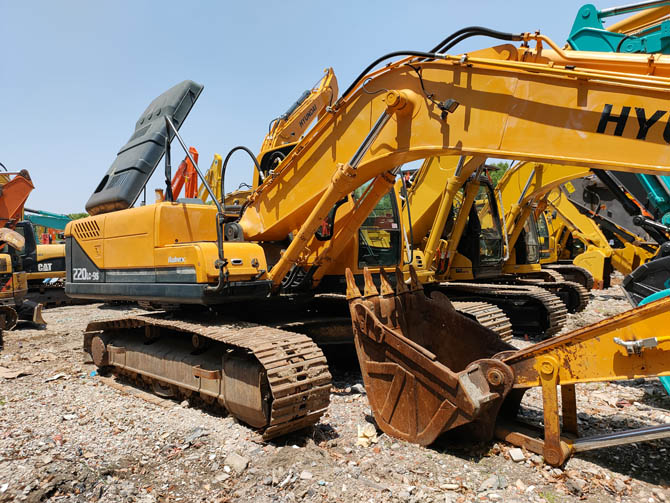
Emerging economies are driving an unprecedented structural boom in demand for used construction machinery, as massive infrastructure investment collides with practical budget constraints. From road networks and railway lines to mining operations and urban construction, projects across South America, Sub-Saharan Africa, and parts of Asia rely heavily on cost-effective, immediately available engineering equipment. This trend has reshaped the global used construction machinery market, creating long-term, stable demand and redefining supply chain dynamics between exporting and importing regions.
The infrastructure gap in emerging markets is substantial. According to global development institutions, these economies require trillions of dollars in annual infrastructure investment to meet sustainable development goals, support urbanization, and boost industrial growth. However, limited financial resources mean most projects cannot afford large fleets of brand-new construction equipment. Used machinery offers an ideal solution: it costs a fraction of new equipment, delivers comparable performance for mid-to-long-term projects, and can be deployed immediately without waiting for manufacturing and shipping. This combination of affordability and availability has made used construction machinery indispensable for infrastructure development in emerging markets.
Regional demand characteristics vary but share a common focus on reliability and versatility. In South America, large-scale agricultural and mining projects require robust earthmoving and grading equipment, while African markets prioritize machinery suitable for road construction, rural development, and resource extraction. These regions also value suppliers that can provide complete support, including logistics, customs clearance, and after-sales service, as local technical capacity and spare parts supply chains are often limited. As a result, exporters that offer integrated solutions gain a significant competitive advantage in these high-growth markets.
Chinese exporters are well-positioned to serve this surging demand, thanks to their extensive market experience, diverse equipment inventory, and mature service systems. Leading firms have developed in-depth knowledge of market needs in South America, South Africa, and other emerging regions, tailoring their services to local regulatory environments, logistics routes, and operational conditions. With large warehousing facilities and standardized refurbishment processes, these exporters ensure stable, timely supply of high-quality used equipment, even during peak demand periods. Shipping routes are optimized to reduce delivery times, with vessels reaching South American ports in about 40 days and African ports in approximately 35 days, supporting tight project schedules.
The link between emerging market infrastructure growth and used construction machinery demand will strengthen in the coming years. As more countries launch national infrastructure plans, the need for affordable, reliable equipment will continue to rise. Exporters that focus on quality, service, and market adaptation will capture the lion’s share of this expanding market, contributing to global infrastructure development while driving the sustainable growth of the used construction machinery export industry.