
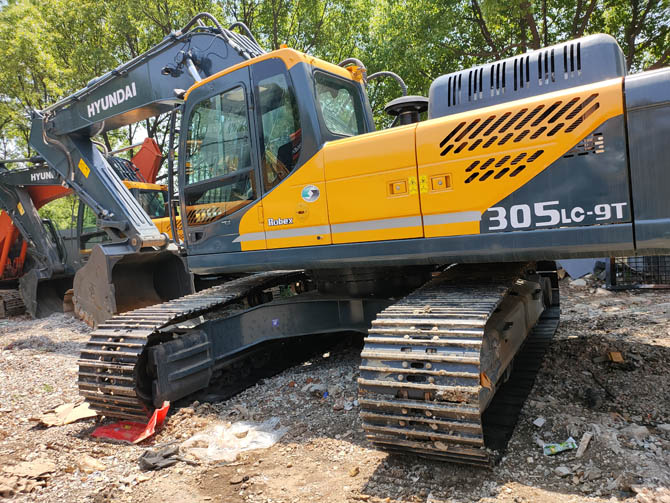
In the rapidly expanding global used construction machinery trade, compliance and standardization have become critical pillars of sustainable industry development. As cross-border transactions grow more frequent, importing countries have tightened regulations on equipment safety, emissions, documentation, and origin verification, pushing exporters to adopt rigorous compliance systems to ensure smooth customs clearance and market access. This shift has elevated industry standards, separating professional, qualified exporters from unregulated operators and fostering a healthier, more transparent global marketplace.
A complete set of official export documentation is now a basic requirement for cross-border shipments of used construction machinery. Key certificates include fumigation and disinfection certificates, health certificates, certificates of origin, and full customs declaration materials, all issued by authorized national authorities. These documents verify the legality, safety, and origin of the equipment, satisfying customs requirements in destination countries and preventing delays, fines, or cargo detention. Leading exporters maintain dedicated compliance teams to handle document preparation, verification, and coordination with customs and inspection agencies, ensuring full adherence to both Chinese export regulations and the import rules of target markets such as South America, Africa, and Asia.
Technical standardization has also advanced significantly across the used construction machinery export industry. Refurbishment and inspection processes now follow unified norms, covering mechanical performance, hydraulic systems, electrical components, and structural integrity. Exporters invest in professional testing equipment and skilled technicians to conduct comprehensive pre-shipment inspections, ensuring equipment operates reliably and meets regional safety and emissions standards. This standardization reduces quality discrepancies and builds buyer confidence, addressing historical concerns about the variability of used equipment.
Enterprise qualifications play a vital role in industry compliance. Legitimate exporters hold valid business licenses, export registration certificates, and other official credentials, demonstrating their legal operation and professional capacity. Many leading companies have obtained international certification for quality management, further enhancing their credibility. These firms also prioritize transparent business practices, including clear contract terms, standardized payment processes, and written service commitments, minimizing trade disputes and maintaining a zero-dispute reputation in the global market.
Looking ahead, compliance and standardization will remain central to the used construction machinery export industry. As global regulatory frameworks evolve, exporters must continue to upgrade their compliance systems, invest in standardized refurbishment, and keep pace with changing import requirements. By prioritizing legality, quality, and transparency, the industry can sustain its growth momentum, expand market access, and strengthen the reputation of Chinese-used construction machinery on the world stage.